

Blog Post

Harnessing the Power of the Sun: A Beginner’s Guide to Solar Energy

Author: Silinfra

August 10, 2025 | 7 Min Read

Unlock affordable solar energy for your home or business. Learn the benefits, key regulations, and expert tips to start your journey towards clean, sustainable power in India.

India’s solar energy revolution is accelerating, making 2025 a perfect year for homeowners and businesses to transition to clean, cost-saving power. With record-low installation costs, strong government support, and new net metering reforms, solar energy has never been more accessible or affordable.

This beginner-friendly guide explains how you can harness solar power, the benefits it offers, key government schemes, and a straightforward path to installation.

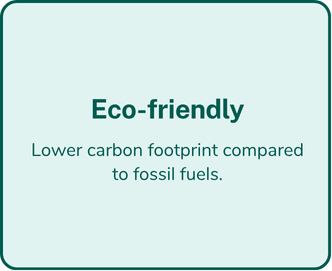
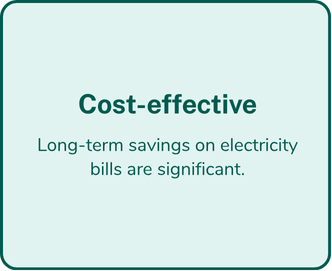
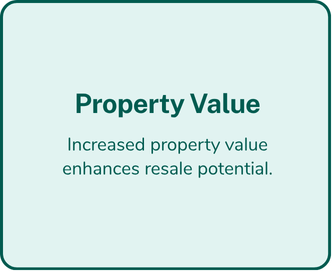
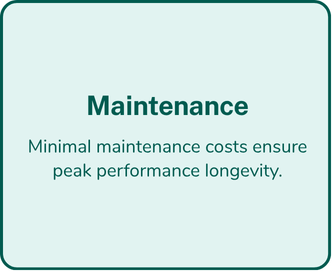
Why Switch to Solar in 2025?

How Does Solar Energy Work?

Solar panels convert sunlight into electricity using photovoltaic cells. India receives abundant sunlight—4 to 7 kWh/m² per day—making solar a highly efficient energy source. There are 3 types of systems that can be implemented.

On-Grid (Grid-Tied)

Connected to the grid with net metering;

Best for urban homes/businesses

Off-Grid

Battery storage, no grid dependency;

Best for remote areas/frequent outages

Hybrid

Grid-connected with battery backup;

Best for needing uninterrupted power

Government Solar Schemes to Know

PM-KUSUM

Supports farmers in installing solar pumps and selling excess power.

PM Surya Ghar (Muft Bijli Yojana)

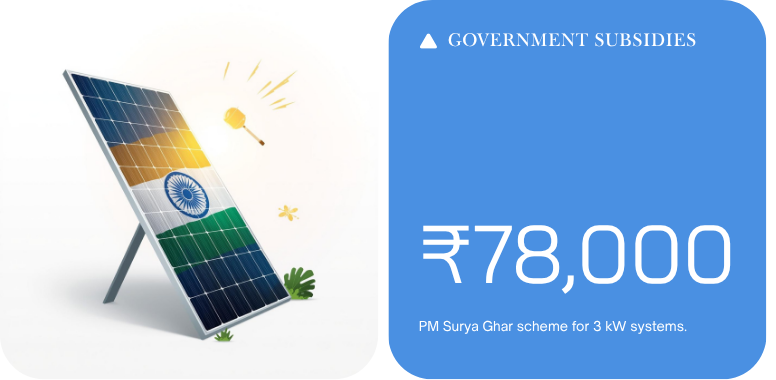
Subsidy up to ₹78,000 for residential rooftop solar up to 3 kW. Free electricity up to 300 units monthly.

Additional State Subsidies

Some states add 10-30% more subsidy on top of central schemes.

Cost & Savings Snapshot

System Size Approximate Cost Cost After Subsidy
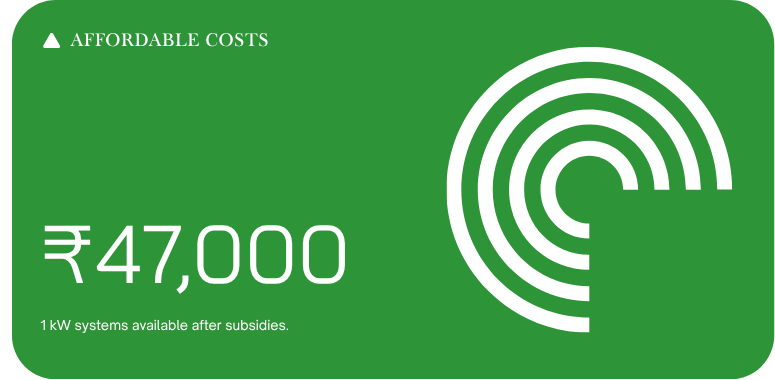
1 kW ₹65,000 – ₹75,000 ₹47,000 – ₹57,000
3 kW ₹2,05,000 – ₹2,35,000 ₹1,02,000 – ₹1,57,000
5 kW ₹2,95,000 – ₹3,70,000

₹1,97,000 – ₹2,92,000

Commercial solar systems cost approximately ₹45,000-₹55,000 per kW, with faster paybacks influencing business decisions.

The Installation Process

Government portal for energy initiatives.

1. Register Online

Apply on the National Portal and get DISCOM’s technical approval.
Authorized EPC Vendor

2. Select vendor

Choose an authorized installer from your state's approved list.
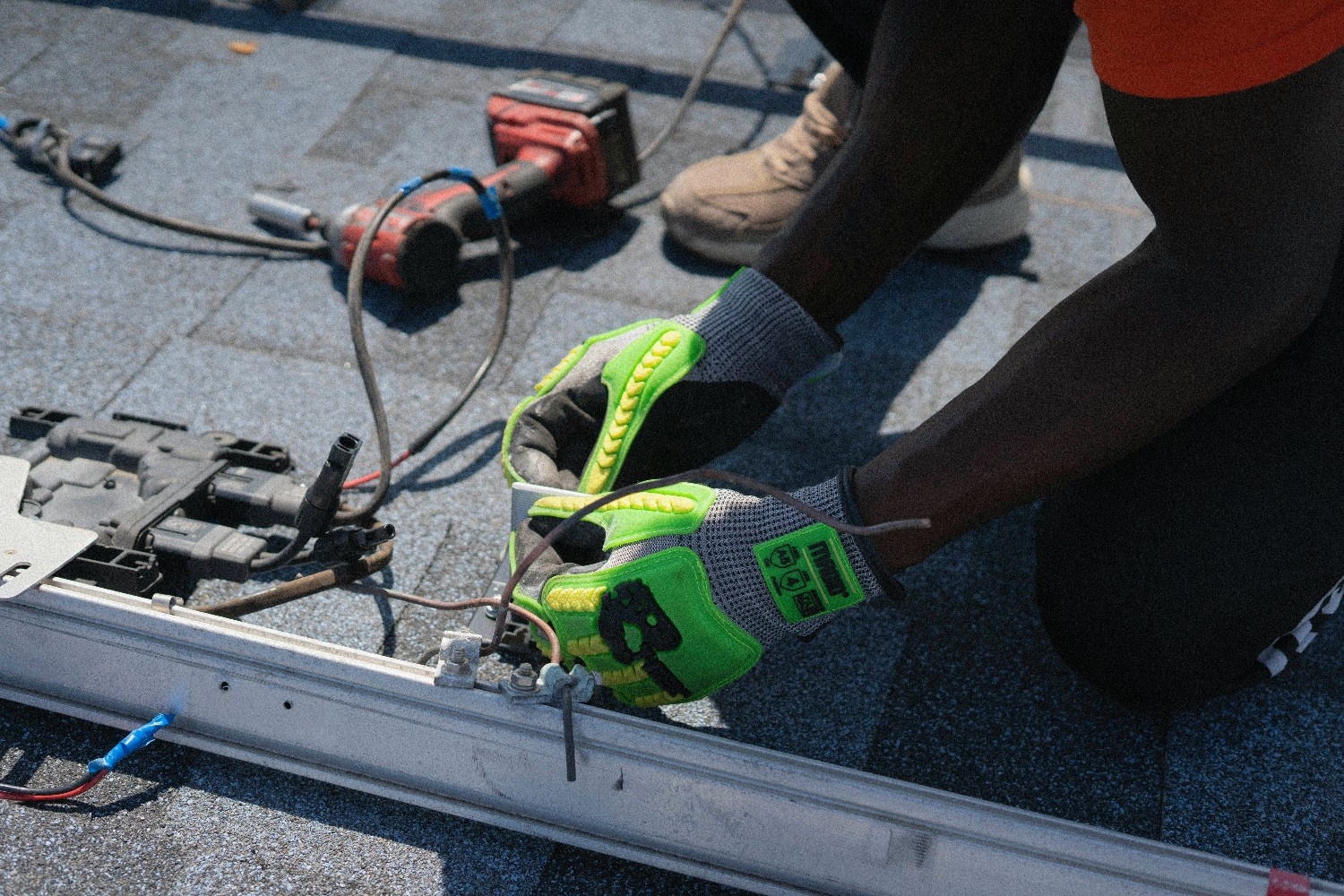
Worker installing solar panel components

3. Installation

Panels, inverters, wiring, and safety features are installed and tested.
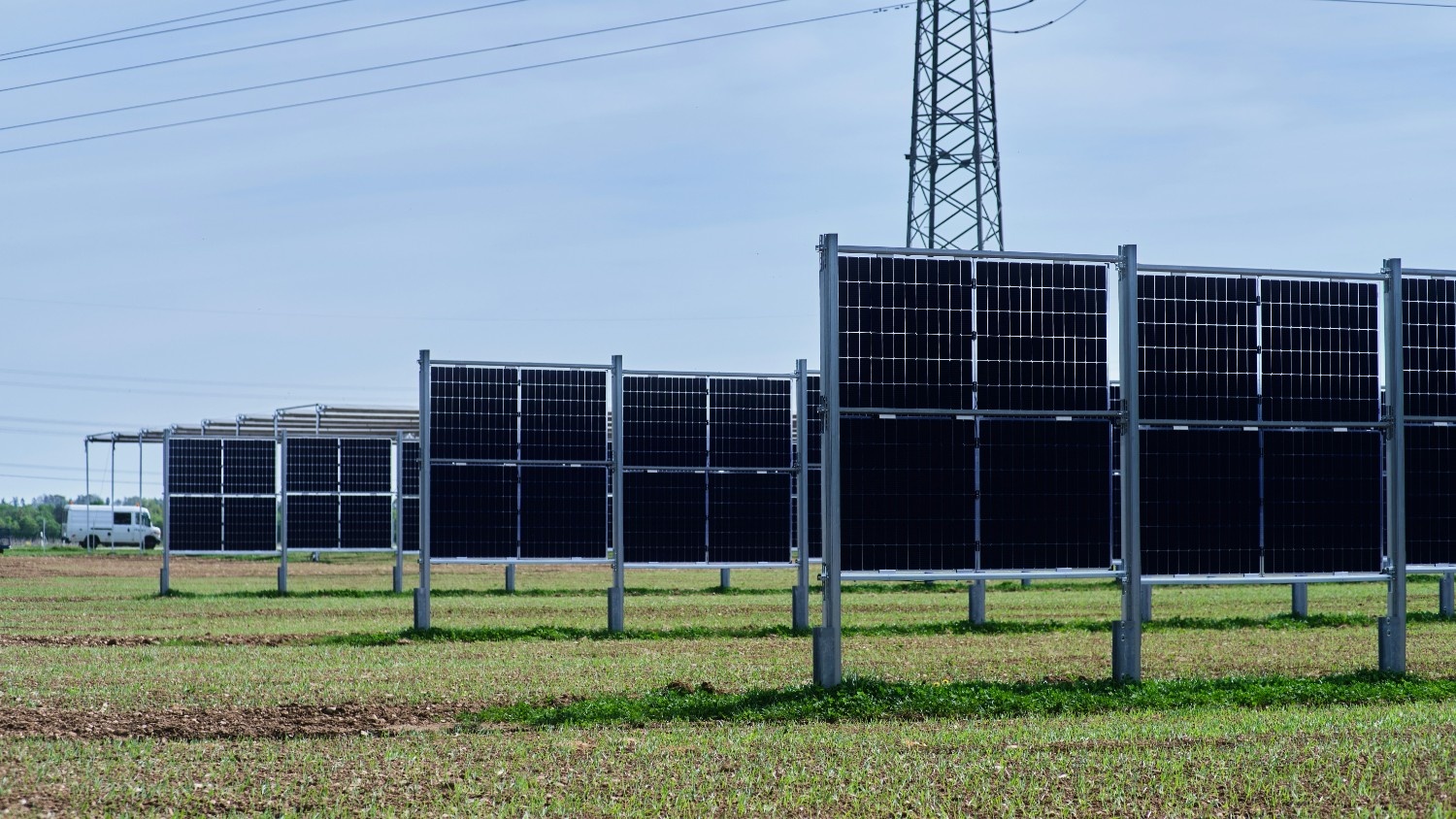
Solar panels in a green field

4. Connection

DISCOM installs the net meter; your system is activated.
Solar

Understand Net Metering

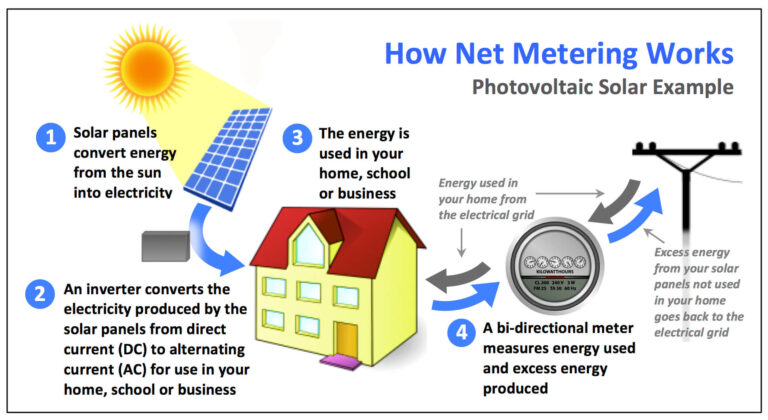
Net metering credits your electricity bill for the surplus solar power you export to the grid. In 2025, many states have simplified or waived net metering fees, making it hassle-free.

Choosing the Right Solar Panels

Panel Type Efficiency Ideal For Cost Factor
Monocrystalline 18-24% Limited roof space Premium pricing
Polycrystalline 15-18% Larger areas, budget Lower cost
Bifacial 20-22% (dual-sided) Commercial/ground mount Higher upfront but greater output

BEnefits of GOing Solar

Solar
Solar
Solar
Solar
Solar
Solar
Solar
Solar
Solar
Solar

Take the First Step Today

  • Assess your rooftop potential with Silinfra’s online calculator
  • Schedule a consultation session with Silinfra and get a quote
  • Provide your project token and let Silinfra handle the rest!

Solar energy offers an unbeatable combination of savings, reliability, and environmental good. The sun shines bright over India—let it power your future.

One Comment

  1. Excellent insights in this blog! The way SilInfra explains complex solar concepts in simple terms shows their deep expertise and genuine commitment to clean energy. I’ve seen their work firsthand, and they always deliver on quality and trust — definitely a name you can rely on for renewable energy solutions.

Leave a Reply

Your email address will not be published. Required fields are marked *